
Get Qualified with an iPET Network Qualification Today
Visit the iPET Network Latest Courses
Become An Approved Centre Today
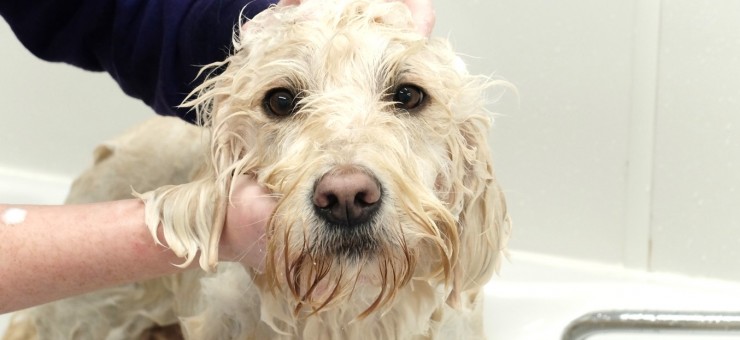
Dog training and dog grooming are often viewed as separate services. In reality, they are closely connected. Both involve regular handling, close observation and an understanding of how dogs respond to their environment, unfamiliar situations and human interaction.
Whether someone is guiding behaviour or carrying out routine grooming, the same foundations apply: welfare-led handling, awareness of canine behaviour and the ability to respond calmly when a dog feels stressed or uncomfortable.
At iPET Network, we develop regulated qualifications that reflect how dog-care roles work in practice. Our qualifications support professionals who want to work confidently, responsibly and in line with recognised standards across both training and grooming environments.
Dogs do not separate their experiences into categories like “training” or “grooming”. A nervous dog on a grooming table may display the same stress signals as a dog struggling during a training session.
Professionals who understand this overlap are better equipped to:
When dog training and grooming are approached as connected disciplines rather than isolated skills, overall canine welfare improves.
Hands-on experience is essential, but education provides the structure that turns experience into professional judgement. Understanding why a dog reacts in a certain way is just as important as knowing what to do next.
Regulated education supports dog-care professionals by:
As expectations from pet owners continue to rise, professional qualifications help demonstrate commitment to safe, responsible dog care.
Many of the skills required in dog training and grooming are shared. iPET Network’s regulated qualifications are designed to support these overlapping competencies, rather than treating roles in isolation.
Dog grooming qualifications focus on far more than appearance. Learners develop knowledge of:
These skills directly support confident handling and safer interactions, particularly with nervous or reactive dogs.
Understanding behaviour is essential for both trainers and groomers. Qualifications in canine behaviour and training help professionals recognise stress signals, understand motivation and adapt their approach to suit individual dogs.
This awareness reduces risk and supports calmer, more effective dog care across settings.
Working hands-on with dogs always involves unpredictability. Knowledge of basic health indicators, first aid awareness and welfare principles helps professionals respond appropriately when something doesn’t feel right.
Together, grooming skills, behaviour awareness and welfare knowledge form the foundation of responsible dog-care practice.
As the dog-care industry continues to grow, so does the responsibility to maintain high standards. Education plays a key role in building trust, between professionals, clients and the wider public.
Professional qualifications help:
At iPET Network, our qualifications are developed with these long-term outcomes in mind, ensuring they remain relevant, practical and aligned with modern canine-care environments.
For many people, working with dogs is more than a job; it’s a vocation. Education supports that passion by providing clarity, confidence and recognised pathways for development.
Whether someone is starting out or building on existing experience, understanding behaviour, welfare and safe handling is essential.
By recognising the real connection between dog training and grooming, and supporting education that reflects this, professionals are better equipped to deliver calm, ethical and confident dog care while contributing to higher standards across the industry.