

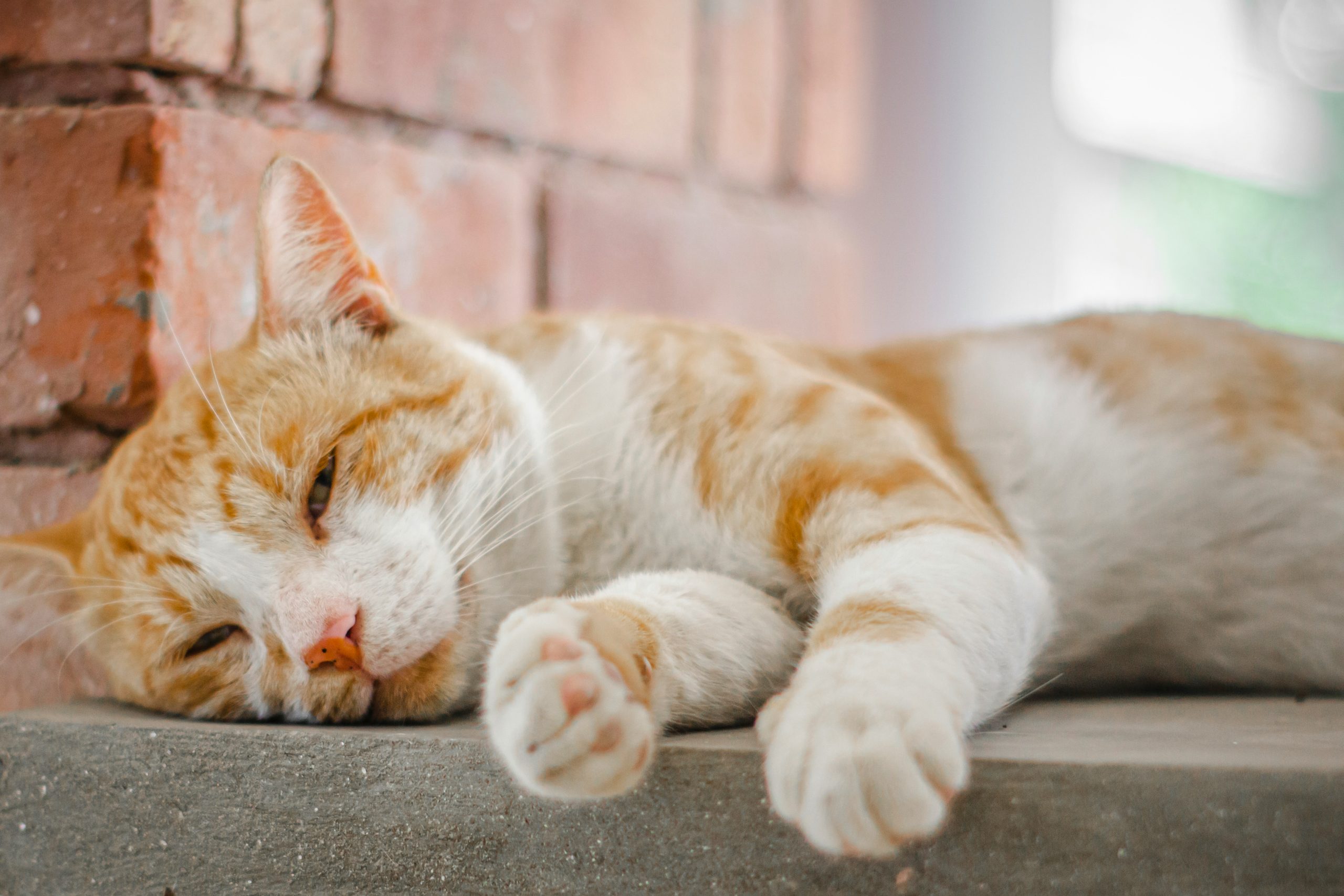
Cats experience subtle but important changes in their coats and skin throughout the year. As seasons shift, so do shedding patterns, coat density, and overall skin condition. While cats are naturally equipped to groom themselves, seasonal changes can place additional strain on their ability to maintain a healthy coat especially for long-haired breeds, senior cats, or those with underlying health or mobility issues.
Understanding these seasonal shifts is essential for maintaining feline comfort and welfare all year round.
Spring and autumn are the most significant periods for coat change in cats. As daylight hours and temperatures shift, cats naturally shed their winter or summer coats in preparation for the next season.
During these moulting periods, owners may notice:
Without regular grooming support, this excess coat can quickly become uncomfortable or even painful for the cat. Mats can tighten against the skin, restricting movement and causing irritation.
Professional groomers are trained to manage these seasonal changes safely, removing loose hair and preventing mat formation before it becomes a welfare concern.
Warmer months bring their own challenges. While cats do not rely on their coat in the same way humans do for temperature regulation, a heavy or matted coat can trap heat and reduce comfort.
In summer, grooming plays a vital role in:
It is important that grooming is carried out carefully, as improper coat removal or shaving can interfere with natural temperature regulation and cause stress.
In colder months, indoor heating and dry air can impact feline skin and coat condition. At the same time, reduced activity levels and stiffness particularly in older cats can make self-grooming more difficult.
Common winter-related issues include:
Regular grooming during winter helps maintain coat condition, supports circulation, and ensures cats remain comfortable even when self-grooming becomes more difficult.
Professional cat groomers play a key role in adapting care to seasonal needs. They understand how environmental changes affect feline coats and behaviour, and adjust their techniques accordingly.
This includes:
Crucially, groomers are trained to recognise when grooming should be modified or stopped entirely to protect the cat’s wellbeing.
At iPET Network, our cat grooming qualifications are designed to ensure professionals are fully prepared to support cats through every season of the year.
Delivered through a network of approved centres across the UK, these qualifications provide learners with both theoretical understanding and hands-on practical experience. This includes training in coat condition assessment, feline behaviour, and welfare-led grooming techniques that adapt to seasonal needs.
As a regulated awarding organisation, iPET Network ensures that every learner is trained to the highest standards, with a strong emphasis on safety, confidence, and animal welfare.
Seasonal grooming is not just about appearance it is about comfort, prevention, and care. By understanding how environmental changes affect cats, groomers can provide targeted support that improves wellbeing throughout the year.
With the right training and professional knowledge, seasonal grooming becomes an essential part of preventative feline healthcare, reducing discomfort and helping cats stay healthy in every season.
Through qualifications delivered by iPET Network and its approved centres, the industry continues to raise standards and ensure cats receive consistent, welfare-led care all year round.