
Get Qualified with an iPET Network Qualification Today
Visit the iPET Network Latest Courses
Become An Approved Centre Today
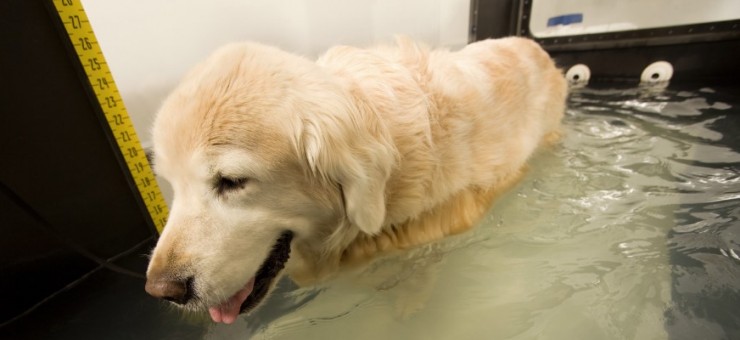
This unique and rewarding profession not only allows you to work closely with dogs, helping them recover from injuries and manage chronic conditions, but also offers a sense of purpose as you witness the incredible impact of your work on the lives of both the dogs and their owners.
What is Canine Clinical Hydrotherapy?
Canine hydrotherapy is a specialised form of therapy that uses water to assist in the rehabilitation and conditioning of dogs. The buoyancy, resistance, and warmth of the water provide an ideal environment for dogs to exercise without putting stress on their joints. Hydrotherapy is commonly used for dogs recovering from surgery, suffering from arthritis, or dealing with obesity, as well as for those with neurological conditions or needing general fitness improvement.
As a canine clinical hydrotherapist, you’ll work in a controlled aquatic environment, guiding dogs through therapeutic exercises, monitoring their progress, and collaborating with veterinarians to ensure the best possible outcomes.
The Path to Becoming a Canine Clinical Hydrotherapist
1. Educational Background and Training:
2. Building Your Career:
The Fulfillment of Being a Canine Clinical Hydrotherapist
1. Making a Difference: One of the most fulfilling aspects of being a canine clinical hydrotherapist is the opportunity to make a tangible difference in the lives of dogs and their owners. Whether you’re helping a dog recover from surgery, managing chronic pain, or improving mobility in older dogs, the progress you witness is incredibly rewarding. Seeing a dog regain its ability to walk, play, and enjoy life again is a powerful reminder of the impact of your work.
2. Building Relationships: As a hydrotherapist, you’ll form strong bonds with your canine patients and their owners. Trust and empathy are at the core of your interactions, and over time, you’ll become a vital part of their healthcare journey. These relationships often extend beyond the clinical setting, as you share in the joys and challenges of each dog’s recovery process.
3. A Dynamic and Varied Role: No two days are the same in this field. Each dog brings its own unique needs and personality to the table, keeping your work dynamic and engaging. Whether you’re working with a young, energetic pup recovering from an injury or an elderly dog with arthritis, you’ll need to adapt your approach and techniques, ensuring every session is effective and enjoyable.
4. A Growing Field with Opportunities: Canine hydrotherapy is a growing field, with increasing awareness of its benefits leading to greater demand for skilled professionals. As more pet owners recognize the importance of proactive healthcare and rehabilitation for their dogs, the need for qualified hydrotherapists continues to rise, offering ample career opportunities and potential for specialisation. Once qualified you can continue your studies with iPET Network and their approved Training Providers and study up to the iPET Network Level 6 Diploma in Veterinary Physiotherapy.
Conclusion
Becoming a canine clinical hydrotherapist is more than just a career—it’s a vocation that combines a passion for animals with a commitment to improving their quality of life. The path to this profession requires dedication, education, and hands-on experience, but the rewards are immense. From the joy of seeing a dog walk again to the satisfaction of knowing you’ve made a difference, this role offers a fulfilling and purposeful career for those who love dogs and want to contribute to their well-being.