
Get Qualified with an iPET Network Qualification Today
Visit the iPET Network Latest Courses
Become An Approved Centre Today
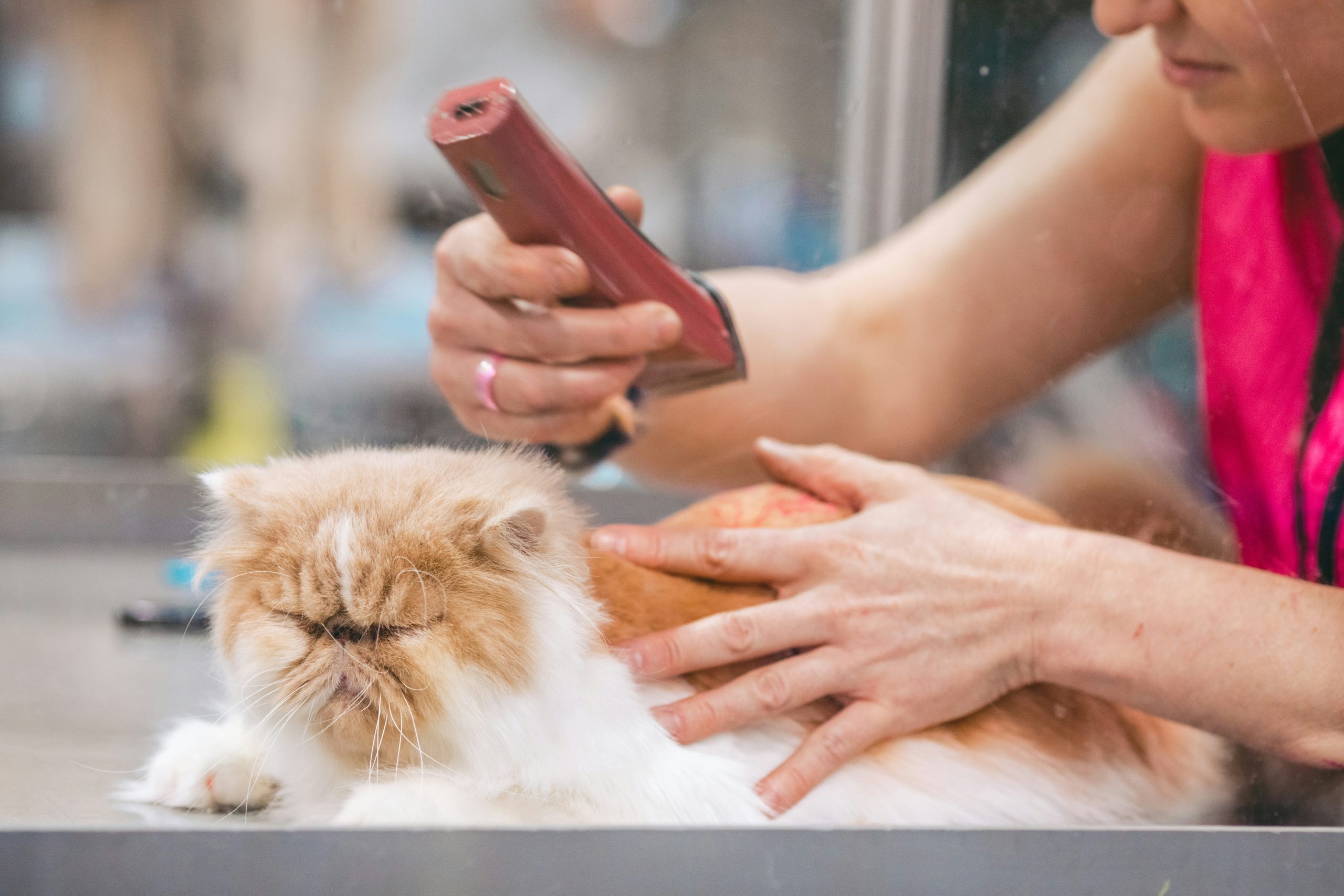
As demand for specialist feline care continues to grow across the UK, cat grooming has become a recognised and respected professional discipline in its own right. Far from being “dog grooming for cats”, it is a specialist skillset that requires a deep understanding of feline behaviour, welfare, anatomy, and safe handling techniques.
At iPET Network, our cat grooming qualifications have been developed to meet this growing need for high-quality, welfare-led training. Delivered through a trusted network of approved centres across the UK, these qualifications are designed to equip learners with the knowledge, confidence, and practical skills required to work safely and professionally with cats.
But what do cat grooming professionals actually learn? And why does it matter?
Cat grooming is fundamentally different from dog grooming. Cats are highly sensitive, easily stressed, and skilled at masking discomfort. This means groomers must be trained not only in technical grooming skills, but also in understanding feline psychology and behaviour.
Our Ofqual-regulated qualifications are designed to reflect this complexity, ensuring learners develop both practical ability and professional judgement.
1. Feline Behaviour and Communication
A core part of any cat grooming qualification is understanding how cats think and behave.
Learners study:
This knowledge is essential for creating a calm, low-stress grooming experience.
2. Safe Handling and Restraint Techniques
One of the most critical skills in cat grooming is knowing how to handle cats safely without causing distress or injury.
Professionals learn:
This ensures grooming is always carried out with the cat’s comfort in mind.
3. Coat Types, Condition, and Maintenance
Cats have a wide variety of coat types, each requiring different care approaches.
Training includes:
This helps groomers tailor their approach to each individual cat.
4. Health, Hygiene, and Welfare Awareness
Cat groomers are often among the first professionals to notice early signs of health issues.
Learners are trained to recognise:
While groomers do not diagnose medical conditions, they play a vital role in identifying concerns and advising owners to seek veterinary care when needed.
5. Stress-Free Grooming Techniques
Reducing stress is central to feline grooming.
Qualifications cover:
This welfare-led approach ensures a safer and more positive experience for the cat.
6. Professional Practice and Industry Standards
Beyond practical skills, learners also develop an understanding of professional responsibilities.
This includes:
These skills help build trust and professionalism within the industry.
All iPET Network cat grooming qualifications are delivered through a network of approved training centres across the UK. These centres provide:
This ensures learners gain real-world experience, not just theoretical knowledge.
As an Ofqual regulated Awarding Organisation, iPET Network is committed to raising standards in animal care education. Our cat grooming qualifications are:
They are ideal for anyone looking to start a career in cat grooming, upskill within the animal care sector, or offer specialist feline services within an existing business.
Cat grooming is no longer a niche service it is a growing profession built on skill, knowledge, and welfare-led practice. As demand continues to rise, qualified professionals are essential in ensuring cats receive safe, appropriate, and compassionate care.
Through structured training, practical experience, and industry-recognised qualifications from iPET Network, learners are equipped to meet that demand with confidence.
Whether you are beginning your journey in animal care, want to diversify from dog grooming or looking to specialise, cat grooming qualifications provide a strong foundation for a rewarding and respected career.