
Get Qualified with an iPET Network Qualification Today
Visit the iPET Network Latest Courses
Become An Approved Centre Today

Our dogs are more than just pets they are cherished members of the family. Whether they’re joining us on countryside walks, curling up beside us on the sofa or accompanying us on family adventures, we do everything we can to keep them happy and healthy.
However, accidents and emergencies can happen without warning.
A dog may choke on a toy, suffer from heatstroke during a summer walk, be involved in a road traffic accident or suddenly collapse due to an underlying medical condition. In these critical moments, every second counts.
Knowing basic canine first aid can make a significant difference while you seek urgent veterinary attention. It provides you with the confidence to assess the situation, help prevent further injury and support your dog’s welfare until professional treatment is available.
Canine first aid is the immediate care given to a dog that has become injured or suddenly unwell before they can be seen by a veterinary surgeon.
It is important to remember that first aid is not a replacement for veterinary treatment. Instead, it focuses on preserving life, preventing a condition from worsening and promoting the best possible outcome while professional care is arranged.
Learning canine first aid helps owners remain calm under pressure and respond appropriately during what can be an emotional and stressful situation.
Many people assume that emergencies are rare, but veterinary practices regularly treat dogs for incidents that occur at home, during walks or whilst travelling.
Some of the most common emergencies include:
While no one wants to imagine these situations, being prepared allows you to react quickly and confidently should they occur.
Protecting Your Dog’s Welfare
The primary reason to learn canine first aid is to protect your dog’s health and wellbeing.
Quick, appropriate action may help:
Although only a veterinary surgeon can diagnose and treat medical conditions, first aid can provide valuable support during those crucial first minutes.
Emergencies are stressful, and panic can make it difficult to think clearly.
A structured canine first aid course provides practical knowledge and hands-on experience, helping owners feel more prepared should the unexpected happen.
Rather than relying on internet searches during an emergency, you’ll already understand the correct steps to take.
Recognising the early signs of illness or injury can be just as important as knowing how to respond.
Canine first aid training helps owners identify:
Early recognition can lead to faster veterinary intervention and improved outcomes.
A regulated canine first aid qualification covers a wide range of emergency situations, giving learners practical skills that can be applied responsibly.
Topics may include:
These skills help owners feel better equipped to support their dog’s welfare until professional care is available.
Many dog owners have heard of CPR but are unsure when or how it should be performed.
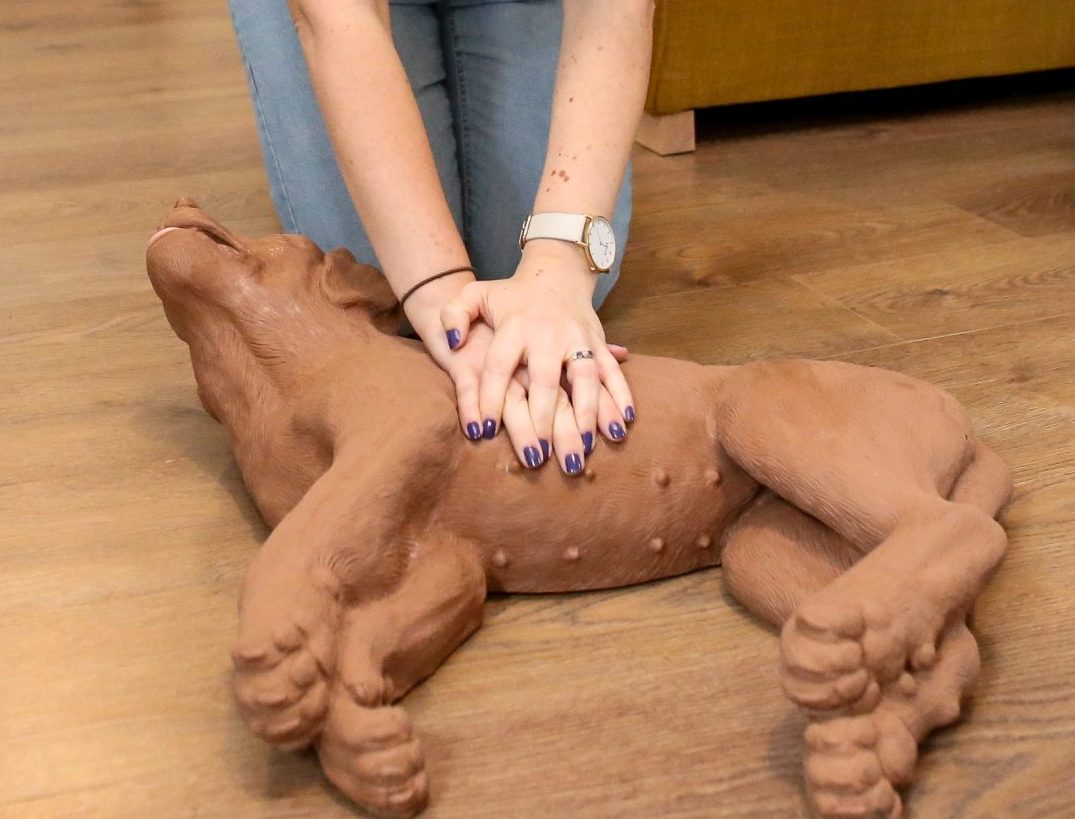
Canine CPR combines chest compressions and rescue breaths to support circulation and oxygen delivery in life-threatening situations where a dog has stopped breathing or has no detectable heartbeat.
Learning this skill through practical training allows owners to understand the correct technique, when it is appropriate to perform CPR and the importance of seeking emergency veterinary treatment immediately.
Canine first aid isn’t just for professionals.
It is suitable for:
If you spend time with dogs, learning first aid is a valuable investment in their welfare.
Choosing a regulated qualification gives learners confidence that the course has been developed to meet recognised standards and is delivered by experienced professionals.
The iPET Network Level 2 Award in First Aid for Dogs is designed for dog owners and those beginning their journey in canine care, providing practical knowledge and confidence to respond appropriately in an emergency.
For those working within the animal care industry, the iPET Network Level 3 Award in Canine First Aid builds on this knowledge with additional depth and is ideal for professionals such as dog groomers, trainers, walkers, pet sitters and other canine specialists looking to enhance their professional development.
Both qualifications are delivered through iPET Network Approved Centres located across the UK. These centres are quality assured and committed to delivering engaging, practical learning experiences that support both animal welfare and learner confidence.
Many iPET Network Approved Centres deliver canine first aid training through highly experienced tutors, including Registered Veterinary Nurses and other qualified animal care professionals.
Learning from individuals with real clinical and industry experience provides valuable insight into recognising emergencies, understanding how to respond safely and appreciating when immediate veterinary intervention is required.
This combination of practical knowledge and professional expertise helps learners develop confidence in applying first aid principles responsibly.
While we all hope we’ll never need to use canine first aid, emergencies rarely happen when we expect them.
Having the knowledge and confidence to respond appropriately could help protect your dog’s welfare during those vital moments before veterinary treatment is available.
Canine first aid is not about replacing your vet it is about giving your dog the best possible chance by acting quickly, calmly and responsibly.
For every dog owner, it is one of the most valuable skills you can learn.
If you’re ready to develop the confidence to respond during a canine emergency, an iPET Network Approved Centre can help.
Whether you’re looking to gain the Level 2 Award in First Aid for Dogs as a responsible pet owner or progress to the Level 3 Award in Canine First Aid as an animal care professional, our Approved Centres provide high-quality training delivered by experienced tutors.
Take the first step towards protecting the dogs you love by enrolling on a regulated canine first aid qualification today.
Is canine first aid a substitute for veterinary treatment?
No. Canine first aid provides immediate care while arranging prompt veterinary attention. It should never replace professional diagnosis or treatment.
Do I need previous experience?
No. The Level 2 Award in First Aid for Dogs is suitable for dog owners and beginners with no prior experience and is usually delivered online / remotely.
Is the training practical?
Yes. iPET Network Level 3 Award in Canine First Aid qualification combine theoretical knowledge with practical learning to help build confidence in responding to emergencies.
Who delivers the training?
Courses are delivered through iPET Network Approved Centres by experienced tutors, with many centres using Registered Veterinary Nurses and other qualified animal care professionals to provide expert instruction.
Which qualification is right for me?
The Level 2 Award in First Aid for Dogs is ideal for owners and those new to canine care. The Level 3 Award in Canine First Aid is designed for those working professionally within the animal care industry or wishing to develop more advanced knowledge.