
Get Qualified with an iPET Network Qualification Today
Visit the iPET Network Latest Courses
Become An Approved Centre Today

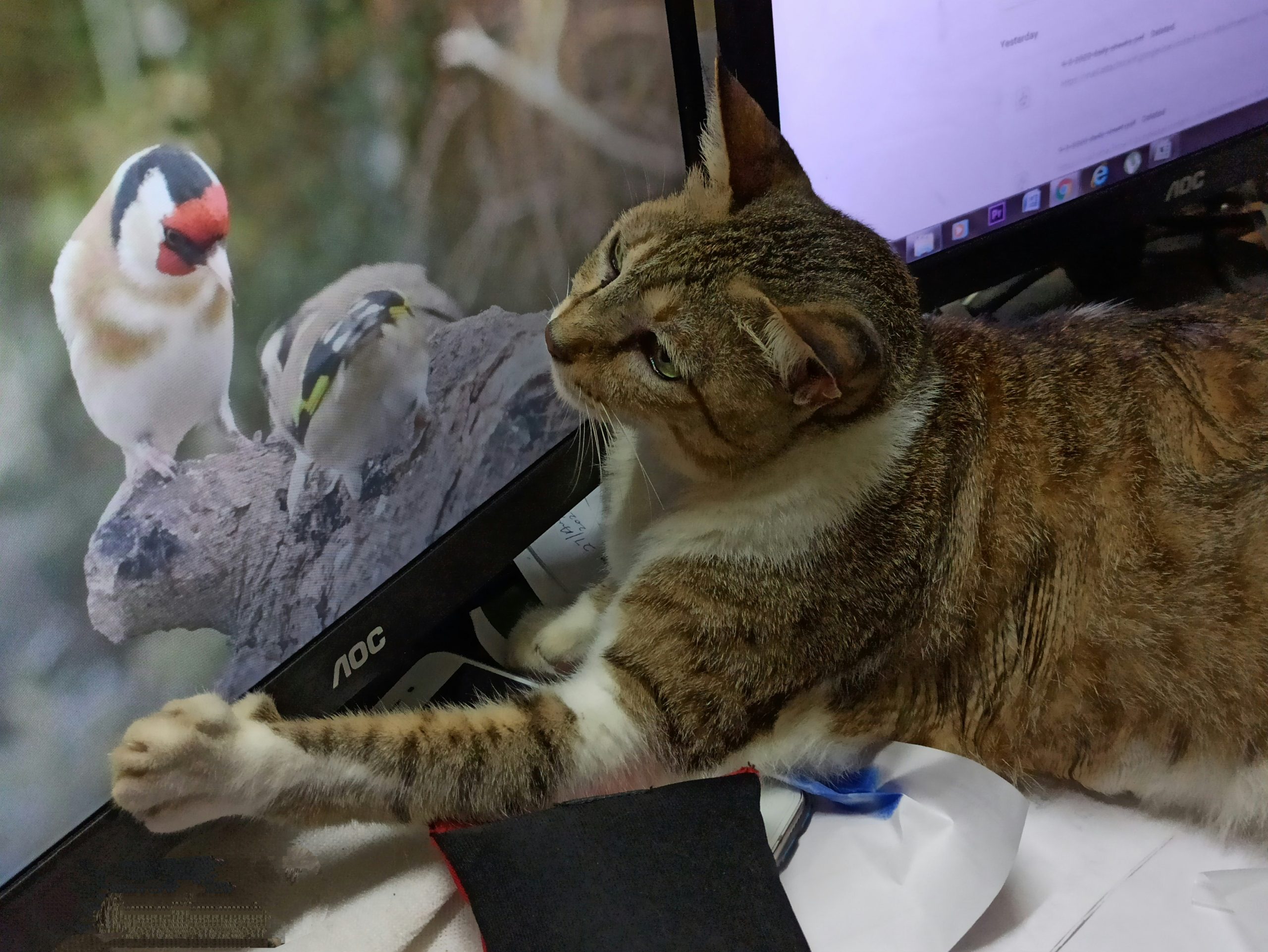
A cat’s grooming requirements are not static they evolve significantly from kittenhood through to their senior years. Understanding these changes is essential for maintaining comfort, hygiene, and overall wellbeing at every stage of life.
Early experiences shape how a cat responds to grooming throughout its life. Kittens benefit greatly from gentle, short grooming sessions that introduce them to being handled, brushed, and examined. The goal at this stage is not extensive grooming, but familiarisation.
Positive early experiences help kittens develop confidence and reduce stress around grooming as they mature. When introduced correctly, grooming becomes a normal and non-threatening part of their routine, making future care much easier for both owners and professionals.
As cats reach adulthood, their grooming needs often increase in line with coat type, lifestyle, and breed characteristics. Long-haired breeds may require more frequent brushing to prevent tangles and matting, while seasonal shedding can affect all cats.
Adult cats may also develop preferences or sensitivities around grooming, meaning patience and consistency are key. Regular grooming at this stage supports coat health, reduces hairballs, and allows owners to monitor skin condition and overall wellbeing.
In later life, many cats begin to experience changes that affect their ability to groom themselves effectively. Arthritis, reduced flexibility, weight gain or loss, and general mobility issues can all make self-grooming more difficult or uncomfortable.
As a result, senior cats often require more frequent and careful grooming support. This helps prevent matting, maintains hygiene, and reduces discomfort. At this stage, grooming becomes less about appearance and more about welfare and quality of life.
Professional groomers play an essential role in supporting cats at every life stage. They are trained to adjust their approach based on age, temperament, and physical condition, ensuring grooming is always carried out safely and appropriately.
They can also use grooming sessions as an opportunity to identify early signs of health concerns such as skin changes, lumps, discomfort, or reduced mobility helping owners seek veterinary advice when needed.
At iPET Network, we have developed specialist cat grooming qualifications to ensure professionals are fully equipped to meet these varying needs. Our Ofqual-regulated qualifications focuses on feline behaviour, welfare-led handling, and practical grooming skills tailored specifically to cats at different life stages.
Delivered through a network of approved centres across the UK, these qualifications provide learners with hands-on experience in real grooming environments. This ensures they are confident, competent, and prepared to support cats from playful kittens to ageing seniors with sensitivity and care.
Recognising how grooming needs change throughout a cat’s life is key to responsible ownership and professional practice. With the right support at each stage, grooming becomes more than maintenance it becomes an important part of lifelong health and welfare.
Through structured education and industry-recognised training from organisations like iPET Network, the standard of feline care continues to improve across the UK, ensuring cats receive the attention and respect they deserve at every stage of life.