
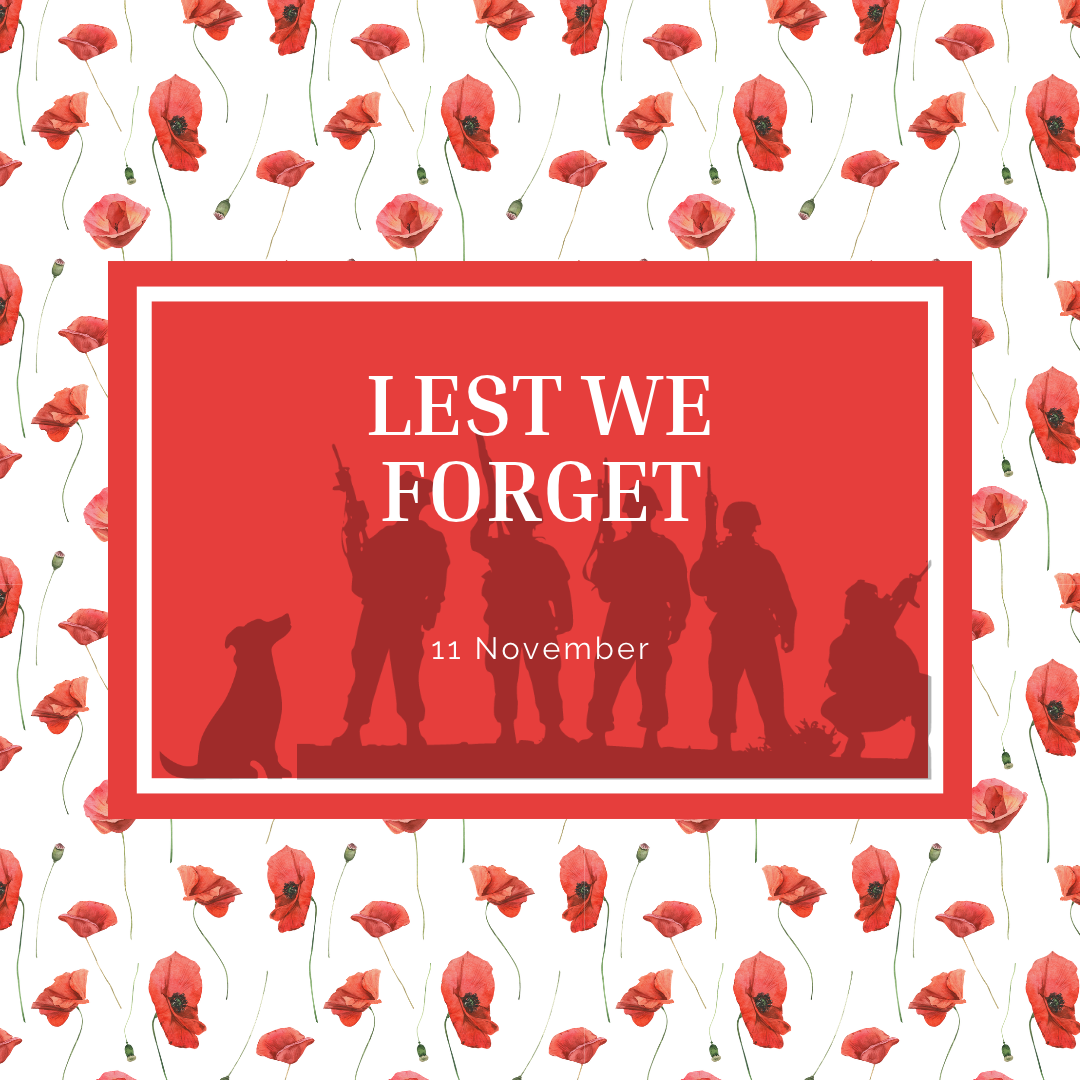
At 11am today, the country falls silent. We remember the men and women who served and gave their lives in conflict. At iPET Network, we also take a moment to remember the millions of animals who stood beside them.
They didn’t volunteer. They didn’t understand the cause. But they carried, searched, guarded and comforted – and many never came home.
It’s estimated that around 8 million horses, donkeys and mules died during the First World War. They pulled artillery through deep mud, carried ammunition and supplies to the front line, moved the wounded and carried cavalry into battle.
Britain alone sent hundreds of thousands of horses overseas, and only a small fraction ever returned. Many were lost to shellfire and gas, but just as many died from exhaustion, disease, cold and starvation in conditions no animal should face.
Dogs served as messengers, sentries, ratters and casualty finders – running through gunfire to carry vital notes between trenches when other communication had failed. In the Second World War, dogs searched bombed-out buildings during the Blitz to find people trapped under the rubble. Today, military working dogs still search for explosives and protect the troops they serve with.
Before radio was reliable, pigeons were often the only way to get a message home. Hundreds of thousands served across both World Wars, flying through bad weather and enemy fire. Some of their messages saved entire units.
Camels and elephants carried loads across deserts and jungles. Canaries were taken into tunnels to warn of poisonous gas. Cats and dogs kept ships and trenches free of rats – and gave homesick soldiers a little comfort.
In 1943, PDSA founder Maria Dickin created the Dickin Medal, often called “the animals’ Victoria Cross”, to honour animals for gallantry in conflict. Dogs, pigeons, horses and a cat are among its recipients.
In 2004, the Animals in War Memorial was unveiled on Park Lane in London. Its inscription says it simply: “They had no choice.”
Many people now wear a purple poppy alongside their red one, to remember the animals who served and died.
Everything we do at iPET Network comes back to one thing: animals deserve to be understood, cared for and protected by people who know what they’re doing. The animals who served in war had no say in what happened to them. The least we can do is make sure the animals in our care today – including the working animals who still serve – get the knowledge, skill and respect they deserve.
Today, we remember them.